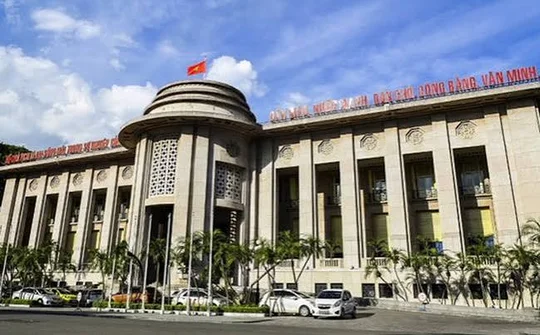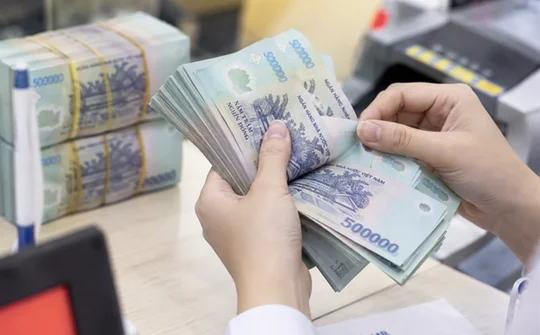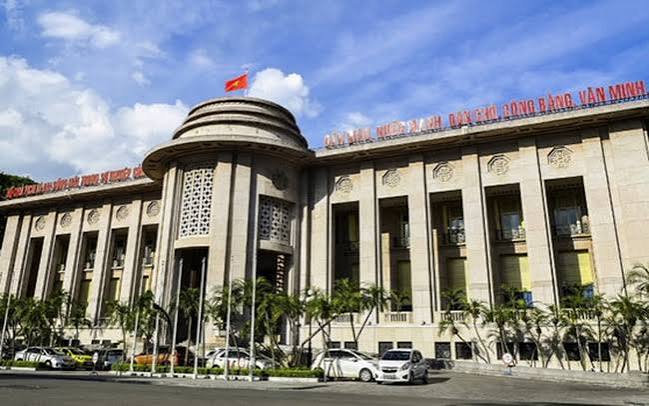

The seminar focused on the interlinkages between credit policy, the carbon market and capital markets, with a view to identifying solutions to mobilise financial resources for the green transition.
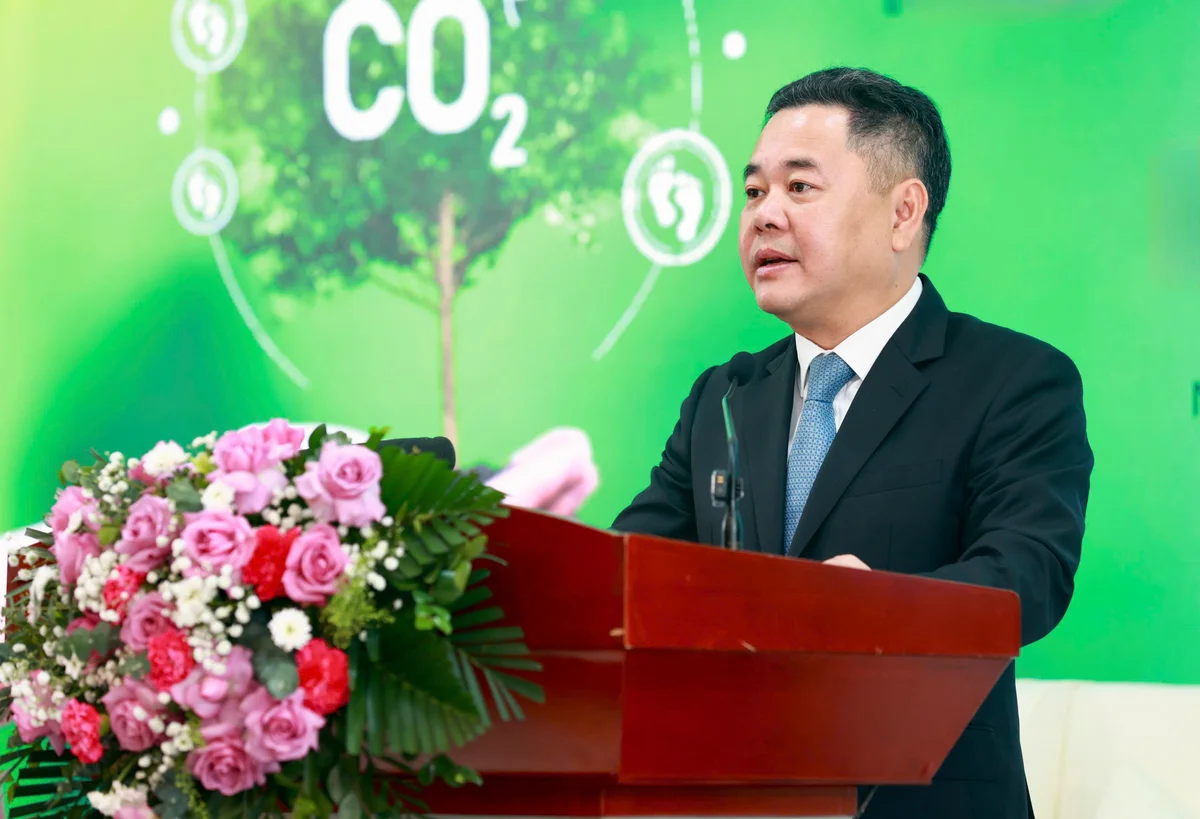
SBV Deputy Governor Nguyen Ngoc Canh
Speaking at the seminar, Deputy Governor Nguyen Ngoc Canh noted that, in fulfilment of Vietnam’s commitment at COP26 to achieve net-zero emissions by 2050, the Party, the State and the Government had introduced a range of important policies and strategic directions to promote green growth, energy transition and the development of a low-carbon economy.
This transition requires substantial financial resources to support technological innovation, changes in production methods, more efficient energy use and reductions in greenhouse gas emissions.
In this context, alongside funding from the state budget and resources mobilised through capital and money markets, the Deputy Governor stressed the need to develop additional market-based mechanisms to mobilise financing and create economic incentives for businesses to proactively reduce emissions. The carbon market is one such mechanism.
By establishing emissions allowances, measuring emissions reductions and creating market prices for allowances and carbon credits, the carbon market provides a mechanism for converting emissions-reduction outcomes into economic value. This, in turn, gives businesses additional incentives and resources to continue investing in the green transition.
The complementary roles of green credit and the carbon market
Analysing the relationship between green credit and the carbon market, Deputy Governor Nguyen Ngoc Canh explained that green credit provides financing for investment and technological innovation, supporting the development of green industries and sectors and enabling emissions reductions to be achieved.
Conversely, an effectively functioning carbon market can help businesses translate emissions-reduction outcomes into economic value, generate additional resources for production and business activities, and improve the quality of bank credit. It can also enable businesses to purchase carbon credits to meet the increasingly stringent requirements applicable to international trade in goods.
Furthermore, the measurement, reporting and verification of emissions reductions, together with transactions involving emissions allowances and carbon credits, can provide additional information for monitoring the environmental performance of projects. This information can help credit institutions assess the effectiveness of fund utilisation and strengthen the management and monitoring of green financing.

Panel discussion
Green credit continues to expand
Regarding implementation results, the Deputy Governor noted that the banking sector had proactively introduced various measures to promote green credit and direct financing towards sectors and activities that deliver environmental benefits and reduce greenhouse gas emissions.
The SBV has progressively strengthened the policy framework and issued orientations and guidance on green credit and environmental and social risk management. It has also encouraged credit institutions to develop strategies, internal procedures and credit products aligned with green growth objectives.
Since the early stages of green credit implementation in 2017, both the scale of green lending and the participation of credit institutions have expanded.
As of the end of June 2026, outstanding green credit exceeded VND 856 trillion, representing an increase of 9.87% compared with the end of 2025. Green credit grew at an average annual rate of more than 20% during 2017–2025, with lending concentrated primarily in agriculture, forestry, fisheries and biodiversity conservation, which accounted for more than 31% of the total, and green energy, which accounted for nearly 28%.
Outstanding loans that had undergone environmental and social risk assessments exceeded VND 6.2 quadrillion, equivalent to more than 31.33% of total outstanding credit across the economy.
These results demonstrate the banking system’s continued commitment and efforts to support businesses and the broader economy throughout the green transition.
Deputy Governor Nguyen Ngoc Canh emphasised that the effective development of the carbon market could help ease pressure on green credit financing, diversify funding sources for the green transition and enable businesses to mobilise additional resources from emissions-reduction outcomes. It could also support more efficient allocation and utilisation of bank credit.
He expressed confidence that the active and responsible participation of regulators, experts, credit institutions and the business community would help clarify the mutually reinforcing relationship between credit policy and the carbon market, thereby promoting the mobilisation and effective use of financial resources for Vietnam’s green transition and sustainable development objectives.
Unlocking green finance through stronger market linkages
During the seminar, participants discussed measures to expand green financing, improve businesses’ access to capital, develop the carbon market and strengthen the links between the economic value of emissions reductions and financial decision-making.
Taking part in the discussion, Mr. Tran Anh Quy, Deputy Director of the SBV’s Credit Department, stated that the banking sector had made proactive and sustained efforts in recent years to support businesses and the economy in pursuing green growth and sustainable development.
According to Mr. Quy, unlocking green credit requires more than simply increasing the supply of financing. More importantly, institutional, resource-related, information and implementation bottlenecks must be addressed in a coordinated manner to ensure that capital is allocated to the appropriate recipients, used effectively and deployed safely.
by VNBA News