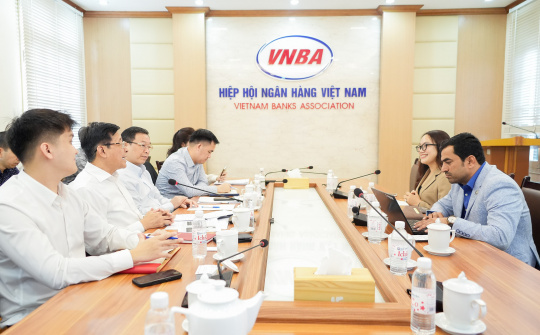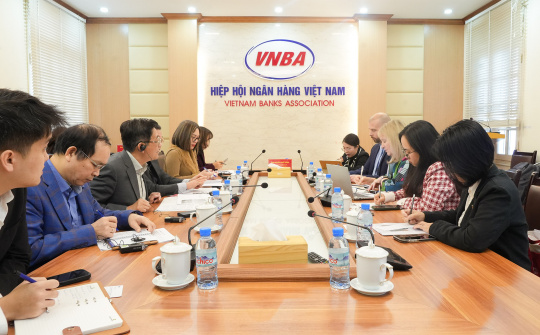

The meeting focused on unlocking credit flows for innovation financing, particularly for startups and tech firms whose core assets are often intangible, such as patents and copyrights.
The session brought together representatives from VNBA, the IPO, the State Bank of Vietnam, the Ministry of Justice, the Ministry of Culture, Sports and Tourism, business associations, research institutes, and credit institutions. Its primary objective was to explore practical solutions that can help channel bank credit toward intellectual property-backed lending—a vital but underdeveloped segment of the financial market.
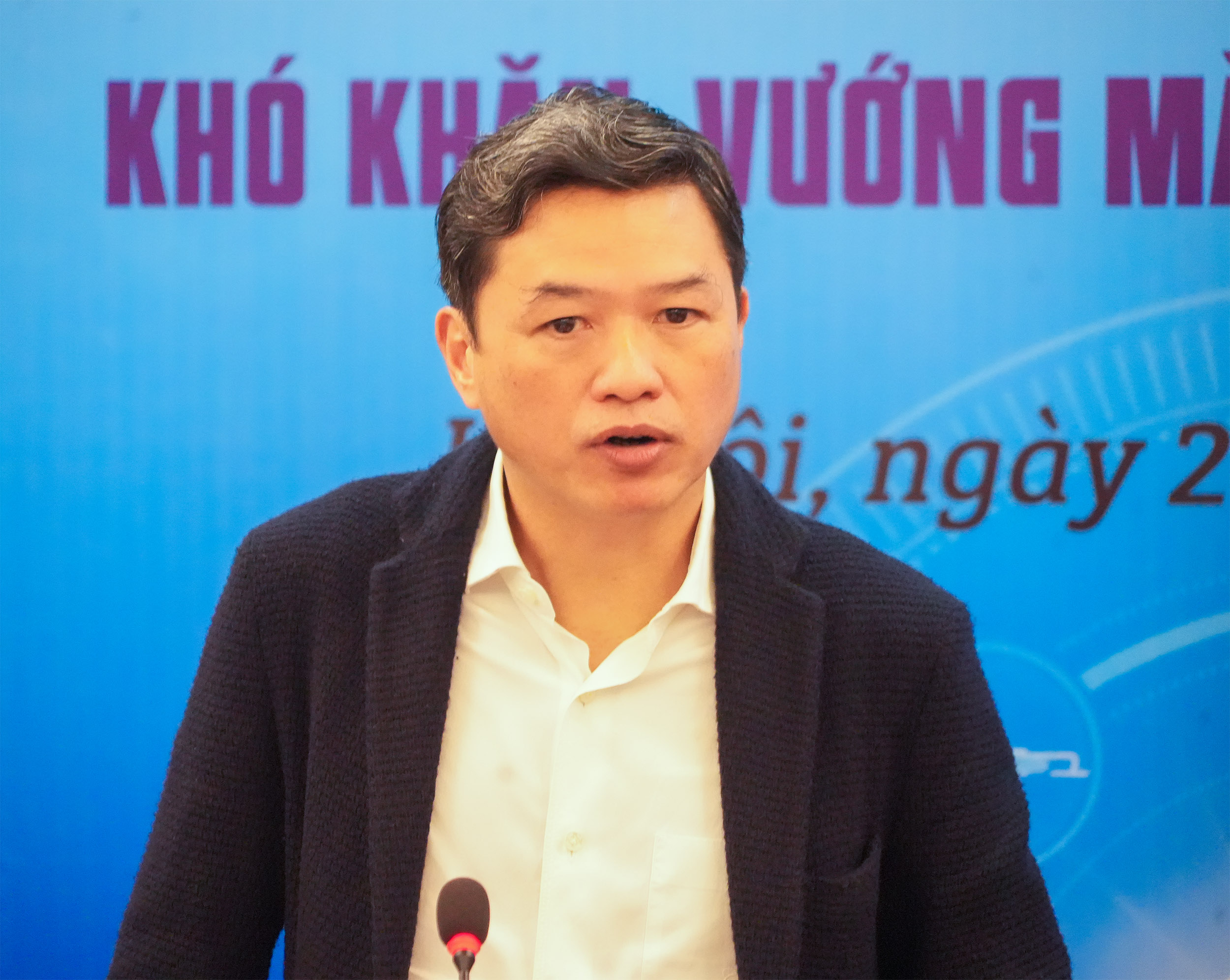
Mr. Luu Hoang Long, Director General of the Intellectual Property Office
In his opening remarks, Mr. Luu Hoang Long, Director General of the Intellectual Property Office, highlighted that under the direction of Resolution 57-NQ/TW, one of the crucial tasks is to increase the commercialization rate of patents and unlock financing for IP assets. He emphasized that while demand for IP-secured loans is high—especially among startups—the market remains constrained by practical hurdles.
According to the Intellectual Property Office, three core challenges hinder progress: (1) valuation of intangible assets, (2) absence of secondary markets for IP trading, and (3) legal and risk management gaps. IP assets are inherently volatile, and due to insufficient valuation benchmarks, professional expertise, and transfer mechanisms, banks are reluctant to accept IP as secure collateral.
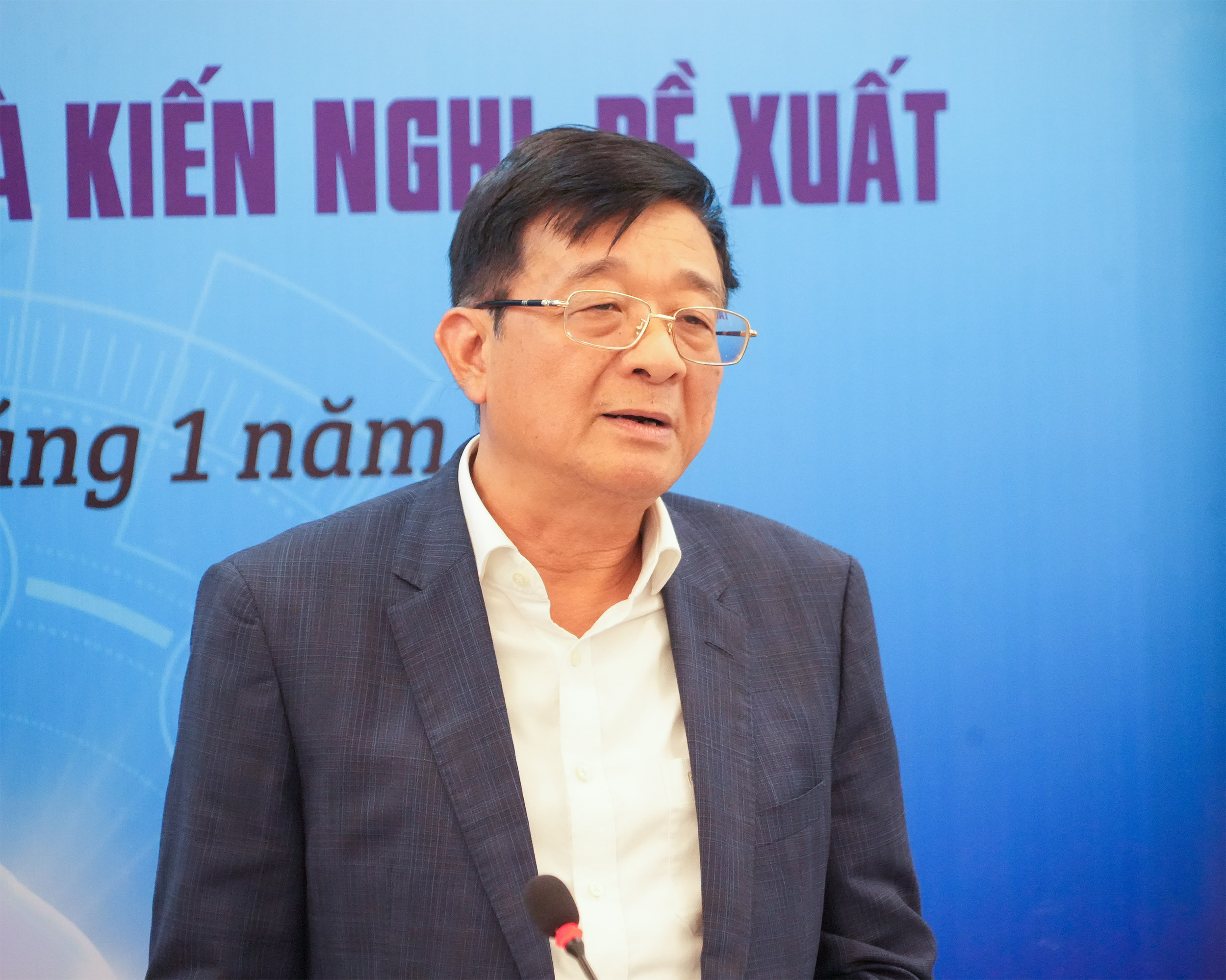
Mr. Nguyen Quoc Hung, VNBA Deputy Chairman and Secretary General
Dr. Nguyen Quoc Hung, Vice Chairman and Secretary General of VNBA, pointed out that numerous registered intellectual properties remain unexploited due to insufficient financial resources. At the same time, both lenders and innovators are interested in IP-backed financing but face challenges in valuation and access to credit. According to Dr. Hung, although supply and demand exist, they have yet to converge effectively due to structural and procedural impediments.

Mr. Nguyen Hoang Giang, Deputy Director General of the IPO
Participants identified three major barriers to the practical use of intellectual property as collateral. Mr. Nguyen Hoang Giang, Deputy Director General of the IPO, explained that the first major issue is valuation—intangible assets are difficult to price accurately without professional appraisal services and standardized data. The second barrier is the lack of liquidity and a secondary market for IP assets. The third arises from legal risks and incomplete data integration among relevant authorities, complicating the legal verification and management of IP assets.

From the banking perspective, representatives such as Vietcombank stressed the additional complexities involved in lending against technology-related assets, which typically have uncertain lifecycles and higher risk profiles. Meanwhile, innovators stressed that standardized valuation methodologies are essential for patent holders to secure financing and reinvest in R&D. He suggested that a technology-focused guarantee mechanism backed by financially robust institutions could help address valuation, liquidity, and collateral handling challenges more swiftly.

Ms. Nguyen Thi Phuong, Head of VNBA’s Legal Club
From the banking industry’s viewpoint, Ms. Nguyen Thi Phuong, Head of VNBA’s Legal Club, stated that although current laws permit IP collateralization, the regulatory framework remains too generic for such specialized assets. Challenges in valuation, risk control, and ownership disputes make financial institutions cautious.
Representatives from institutions like Vietcombank emphasized the need to differentiate between IP rights and revenue-generating capacity, noting that technology products can rapidly gain or lose value, necessitating rigorous credit appraisal before lending.

Mr. Luu Hai Minh, Chairman of Nhat Hai Technology Corp
From the enterprise side, Mr. Luu Hai Minh, Chairman of Nhat Hai Technology Corp, stressed that accurate IP valuation is essential for banks to lend, and loan proceeds should be strictly channeled into technological development to mitigate risks.
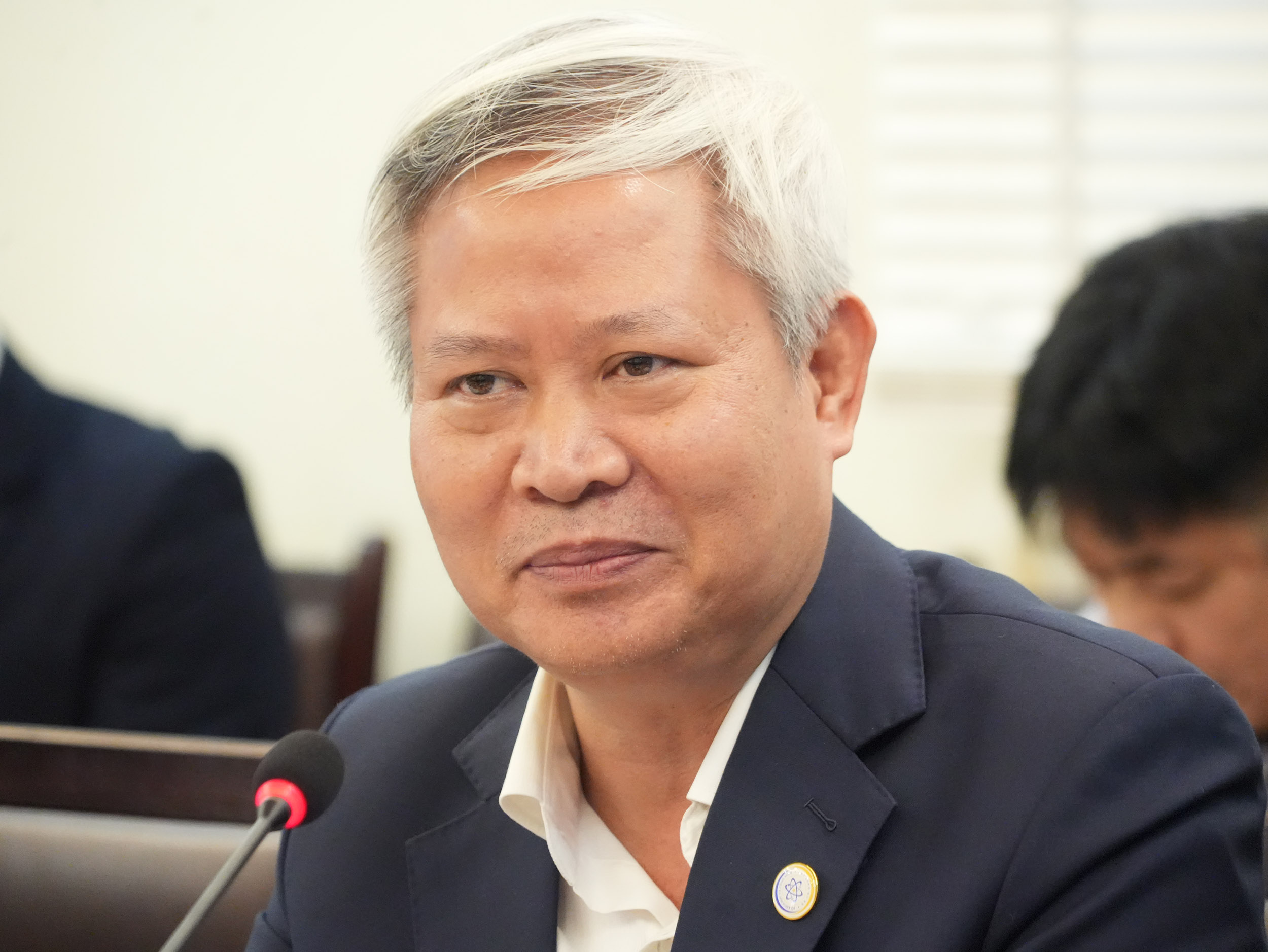
Dr. Vu Duc Loi, Director of the Vietnam-Korea Institute of Science and Technology
Sharing international experience, Dr. Vu Duc Loi, Director of the Vietnam-Korea Institute of Science and Technology, urged the establishment of intermediary institutions such as technology trading platforms and auctions to create transparent connections between IP owners and investors, easing credit assessment and collateral acceptance procedures.
Participants proposed a series of measures to unlock credit for innovation:
-
Enhance legal provisions specifically governing IP as collateral;
-
Expand the catalog of collateralizable IP assets and strengthen IP protection;
-
Develop transparent IP transaction databases;
-
Introduce insurance products tailored for IP-backed loans;
-
Implement a National Innovation Technology Fund to provide credit guarantees, interest support, and collateral acceptance services.
Representatives of the Intellectual Property Association suggested learning from advanced models abroad, such as South Korea’s secondary markets and auction mechanisms for technology assets.
In closing, Dr. Nguyen Quoc Hung reaffirmed the importance of developing pilot mechanisms involving close coordination among the Ministry of Science and Technology, IPO, relevant ministries, and the banking sector. These efforts aim to gradually eliminate barriers and realize the potential of intellectual property-backed financing as a new frontier in Vietnam’s credit landscape.
VNBA News