
SBV demands interest rate reduction this month
The COVID-19 pandemic has taken a heavy toll on the economy and banks’ operation over the last 18 months and it is likely to evolve complicatedly, making it important for the country to fight COVID-19 and boost economic recovery at the same time, Tu said.
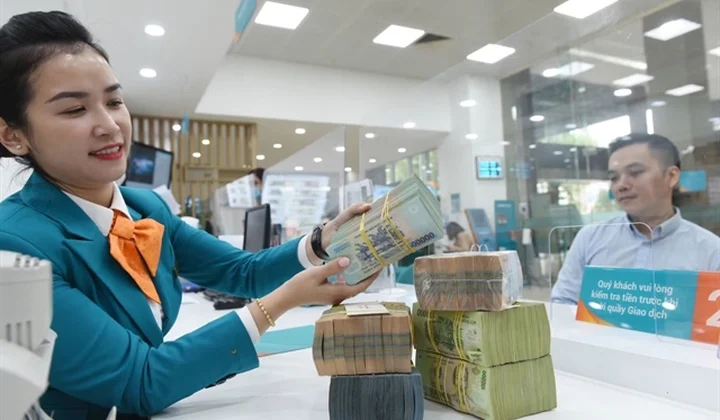
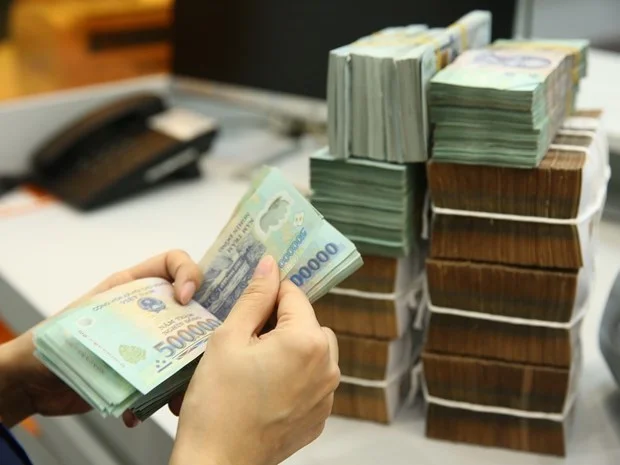
As the pandemic lingers on, more and more enterprises are in trouble with declining resilience, he said, noting that it necessitates stronger and more active aid from all banks for the affected through debt restructuring and interest rate reduction.
The official emphasised that the banking system should continue providing active and substantive support to businesses and at the same time, maintain its financial capacity and security of the national finance.
The SBV will maintain flexible monetary policies and incorporate them with other fiscal and macro-economic policies to keep inflation under control, and stabilise the economy and support economic recovery, he added.