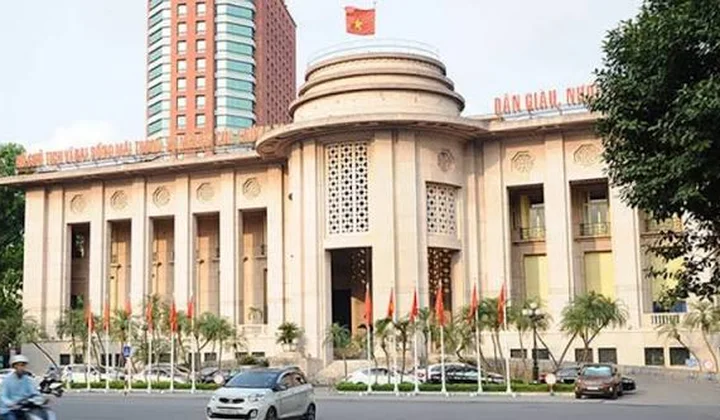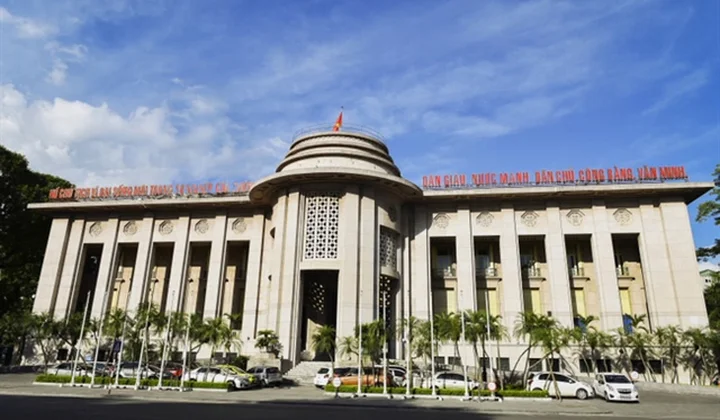

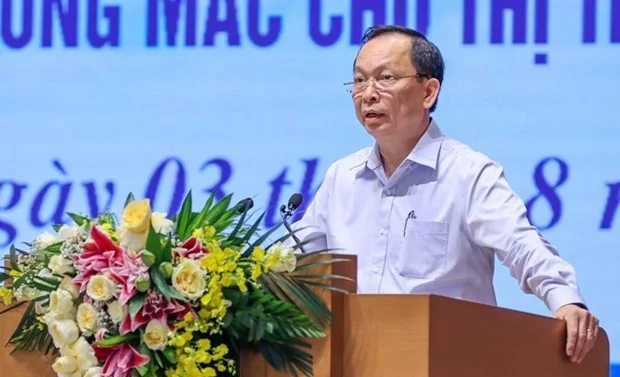
Deputy Governor of the SBV Dao Minh Tu (Photo: VGP)
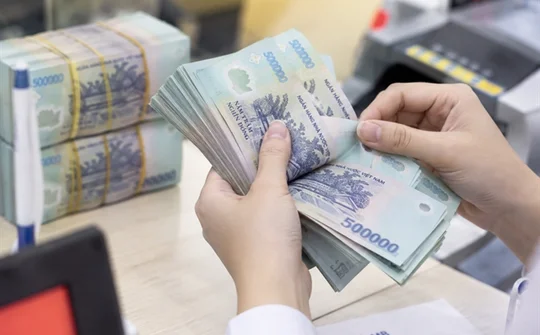
To date, 10 provinces have sent their lists of projects for access to a 120 trillion VND (5.11 billion USD) housing credit package, heard an online conference on reviewing a resolution to remove difficulties for the development of the real estate market chaired by Prime Minister Pham Minh Chinh on August 3.
The 26 projects need a total amount of 12.8 trillion VND in loans.
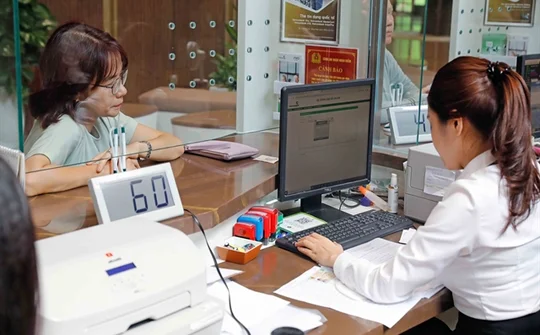
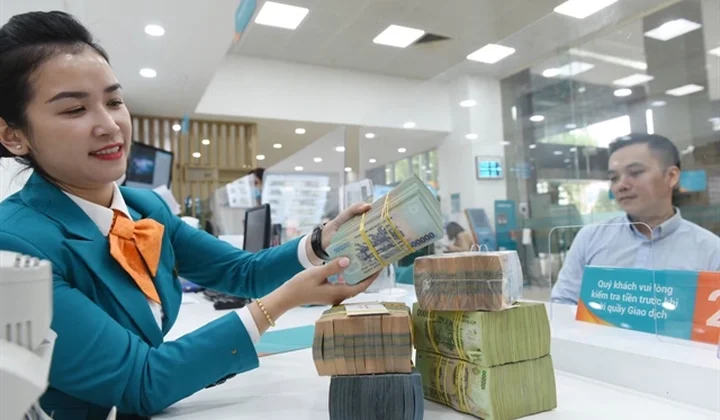
Accordingly, the Joint Stock Commercial Bank for Investment and Development of Vietnam (BIDV) had already signed a credit contract to sponsor a social housing project in the northern province of Phu Tho with a credit amount of about 95 billion VND. The bank has disbursed 20.5 billion VND.
The Vietnam Bank for Agricultural and Rural Development (Agribank) has also agreed to fund a project with a committed amount of 950 billion VND. The sum is expected to be disbursed in the third quarter of 2023. Other commercial banks have taken the initiative to access to other projects on the lists for preferential loans.
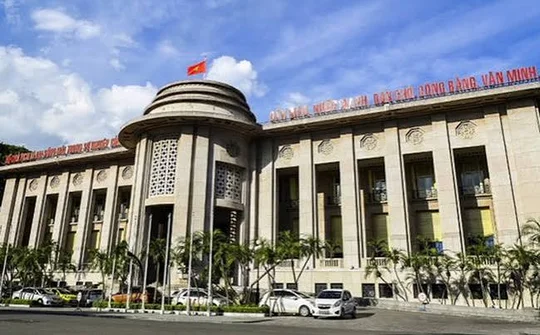
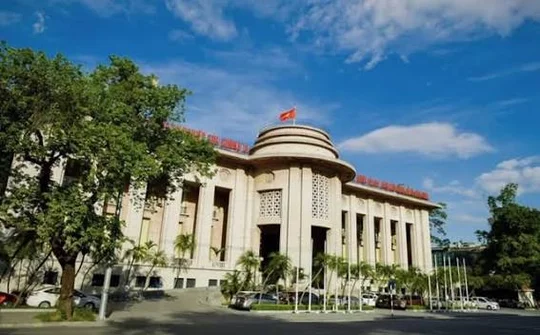
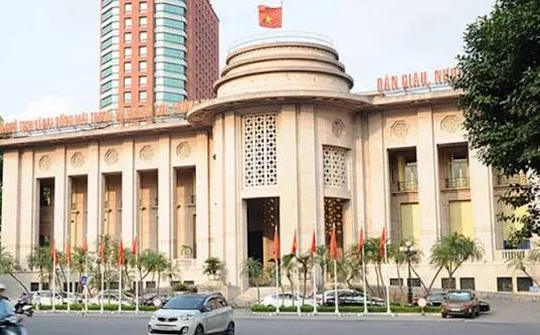
Implementing the Prime Minister's direction, over the past time, the State Bank of Vietnam (SBV) has proactively adjusted policies and issued and optimised solutions to create favourable conditions for people and businesses to access credit capital, contributing to removing hurdles for the real estate market to grow sustainably.
Notably, in the first half of 2023, the SBV reduced the key interest rates for four times with reductions ranging from 0.5-2.0% per year.
Regarding credit management, SBV Deputy Governor Dao Minh Tu said the central bank has set a credit growth rate target of 14-15% in 2023, higher than the previous years which will also be aligned to the reality.
In early July, the SBV allocated the remaining credit growth quotas of the year for commercial banks, taking it to 14%.
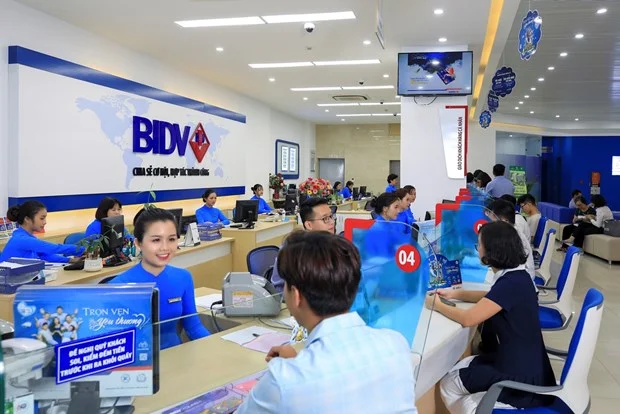
The Joint Stock Commercial Bank for Investment and Development of Vietnam (BIDV) signs a credit contract to sponsor a social housing project in the northern province of Phu Tho. (Photo: VNA)
Under Resolution 33/NQ-CP, the Government assigned the SBV to implement a social housing credit package for developing homes for the poor and workers, and renovating or re-building aging apartment blocks.
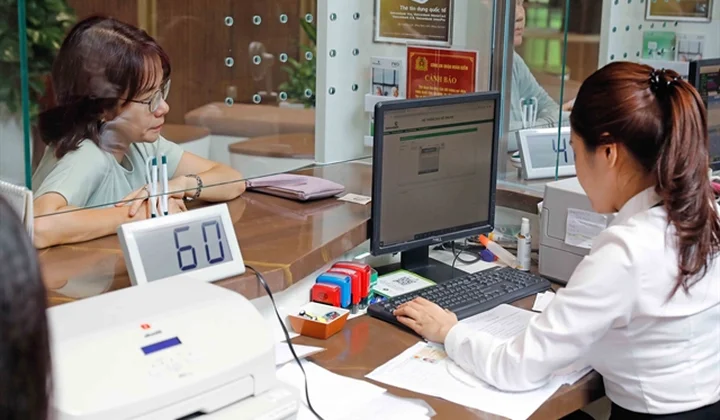
The SBV was tasked with directing commercial banks, mainly Agribank, BIDV, Vietcombank and VietinBank, to make loans available for investors and buyers of social housing and renovation and construction of old apartment buildings.
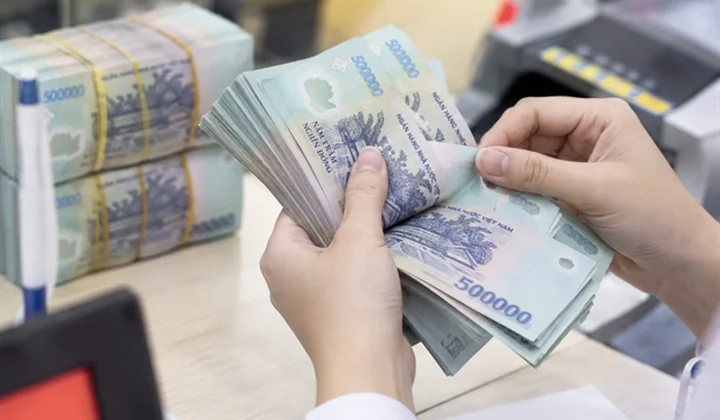
The credit package will offer soft loans at interest rates lower than normal market levels, which would be 1.5-2 percentage points lower than the average mid- and long-term interest rates of state-owned commercial banks.
The credit package, equal to 12% of capital demand, will be launched to build at least one million homes for the poor and workers in 2021-2030.
The above package is part of the solutions given by the Government to remove hindrances and boost the safe, healthy and sustainable development of the realty market.
The project targeted that around 428,000 apartment units would be completed in the 2021-2025 period and another 634,200 in 2025-2030.
The Ministry of Construction said that the focus would be placed on improving the institution and legal system for social housing and housing projects for workers, completing planning and arranging land fund for social housing development.
In addition, incentives for developers would be more practical to encourage them to invest in social housing development./.