
The forum attracted over 500 high-level delegates, including strategic planners, CEOs, CIOs, CTOs, and leaders in digital transformation and risk management from more than 100 leading financial institutions, commercial banks, insurance companies, and fintech enterprises from both domestic and international markets. The event transpired against the backdrop of the Vietnamese banking sector’s robust transition toward a smart banking model, heavily driven by disruptive technologies and pivotal regulatory shifts.
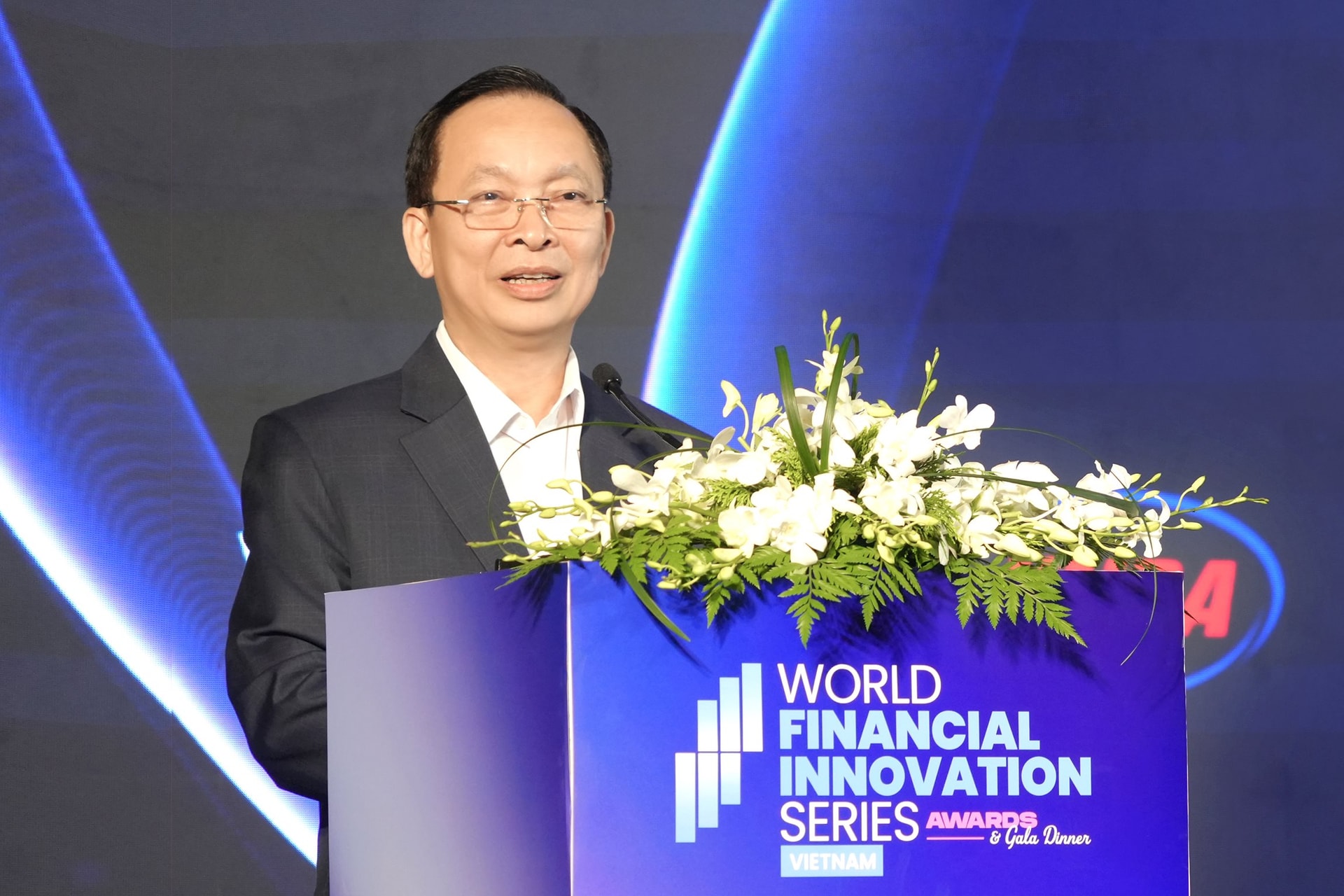
Dr. Dao Minh Tu, Vice Chairman cum Secretary General of VNBA
Digital transformation and the shift to smart banking models
Opening the forum, Dr. Dao Minh Tu, Vice Chairman cum Secretary General of VNBA, emphasized the critical role of innovation in reshaping the entire operational model of the banking sector. According to Dr. Tu, Vietnam stands as one of the fastest-growing digital financial markets in Southeast Asia, where digital transformation has evolved beyond mere service digitization to deeply embed itself into corporate governance, operations, and customer experience optimization. Trends such as Artificial Intelligence (AI), Open Banking, cloud computing, and intelligent data management have become strategic priorities for numerous financial organizations.
Citing data from the State Bank of Vietnam, Dr. Dao Minh Tu noted that over 95% of credit institutions have developed and deployed digital transformation strategies, with nearly 80% of financial transactions in Vietnam now executed via digital channels. However, this rapid growth also introduces immense pressure regarding risk management, as cyberattacks shift heavily toward data exploitation and digital identity fraud. He affirmed:
"If banks previously operated primarily under traditional models, they are now progressively shifting toward a smart digital ecosystem; data has become a strategic asset, and customer experience sits at the heart of every development decision. This presents a massive opportunity for Vietnamese banks to accelerate modernization, expand access to financial services, optimize operational efficiency, reduce costs, and gradually solidify their position in the regional digital financial value chain."
At the same time, he noted that while digital transformation and open innovation unlock vast avenues for growth, they simultaneously demand increasingly stringent governance, system security, and operational resilience in a digital environment.

Mr. Le Anh Dung, Deputy Director General of the Payment Department at the State Bank of Vietnam (SBV)
Global digital payment trends and Vietnam's policy orientation
Continuing the wave of innovation, Mr. Le Anh Dung, Deputy Director General of the Payment Department at the State Bank of Vietnam (SBV), provided a comprehensive overview of the global digital payment ecosystem, which is shifting dramatically under the influence of AI, big data, and cross-border financial connectivity. He highlighted the explosion of "Super Apps" and point-of-sale (POS) application payments, which accounted for 37% of global transaction value in 2025 and are projected to reach 46% by 2030, according to the Worldpay 2026 Report. Furthermore, cross-border QR code connectivity within the ASEAN region and the development of Central Bank Digital Currencies (CBDCs) represent major global trends that Vietnam is actively researching to adapt to its local context.
In Vietnam, the digital payment infrastructure has achieved remarkable scale, featuring over 21,000 ATMs, 864,000 POS terminals, and more than 70% of credit institutions leveraging AI to optimize user experiences, credit scoring, anti-money laundering (AML), fraud detection, and electronic Know Your Customer (eKYC) processes. The State Bank of Vietnam has also proactively refined the legal framework through macro-strategies, including the Banking Sector Digital Transformation Strategy to 2030 and the Banking Sector Data Strategy. In this context, Mr. Le Anh Dung delivered a powerful message on "building trust in the digital financial era":
"Payments must be faster, but they must also be safer. AI and data accelerate the experience, but they must be accompanied by robust customer protection. Innovation cannot come at the expense of financial stability and public trust."

Dr. Can Van Luc, Chief Economist of BIDV
Digital economy drivers and the requirement for synchronized coordination
From a macroeconomic perspective, Dr. Can Van Luc, Chief Economist of BIDV and Member of the Prime Minister's National Policy Advisory Council, asserted that Vietnam's digital economy is growing at a phenomenal pace, currently contributing approximately 20% to the country's GDP and targeting a 30% share by 2030. To sustain and accelerate this momentum, the financial-banking system serves as the core circulatory system of the digital economy.
According to Dr. Can Van Luc, the greatest challenge does not lie within any single institution but rather in system-wide synergy. He stated:
"To drive growth in the coming period, the most critical factor is synchronized coordination between regulatory authorities, enterprises, and the financial-banking system. We need to continuously contribute constructive ideas, perfect mechanisms and policies, and foster open innovation to inject new momentum into economic growth."
Additionally, the veteran economist highlighted long-term growth horizons for Vietnam, including the development of green finance, digital assets, carbon markets, and the establishment of an international financial center.
Modernizing systems and elevating customer experience

Mr. Mike Breen, Commercial Director at Audax
Offering a practical perspective on technology and international markets, Mr. Mike Breen, Commercial Director at Audax, pointed out that customer expectations have evolved significantly. Consumers now benchmark their banking experiences against the seamless, frictionless interactions they enjoy on familiar tech platforms like e-commerce, ride-hailing, and food delivery. Speed, continuity, and hyper-personalization have become non-negotiable, yet many banks remain burdened by rigid legacy architectures and siloed processes that disrupt the user journey.
However, Mr. Breen suggested that banks do not necessarily need to undergo high-risk, "big bang" core banking replacements. Instead, he recommended a "co-existence" strategy:
"...maintain the stability of the existing core system while expanding innovation capabilities at the edge through cloud-native platforms and prioritizing API connectivity."
Cybersecurity and the paradigm shift toward proactive defense
The panel discussion dedicated to cybersecurity and risk management sparked intense debate as technology experts addressed the delicate balance between accelerating digital convenience and safeguarding data against sophisticated, AI-driven cyber threats.
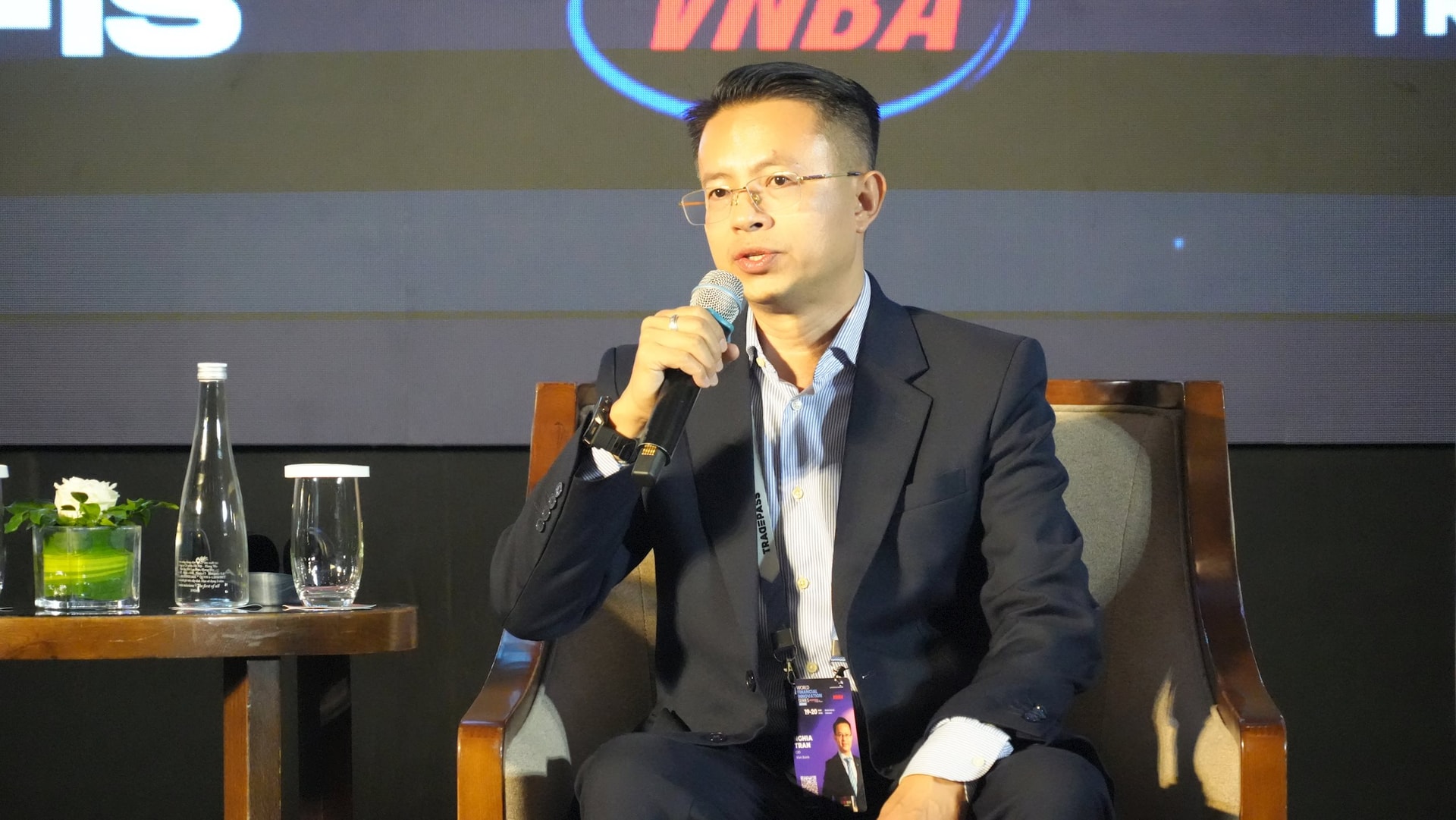
Mr. Tran Anh Nghia, Chief Information Officer (CIO) of VietBank
Representing commercial banks, Mr. Tran Anh Nghia, Chief Information Officer (CIO) of VietBank, emphasized that information security awareness has undergone a profound shift, evolving from an isolated IT responsibility into a matter of survival for the entire organization—from boardrooms to front-line operational units. Highlighting the importance of preventive investments, Mr. Tran Anh Nghia stated:
"The cost of handling and recovering from a cyber incident is always many times higher than the initial cost of preventive investment. An incident not only inflicts financial loss but also severely damages reputation, business continuity, and customer trust."
According to him, organizations must clearly identify their critical assets to allocate investments effectively. Modern security mindsets must migrate from a reactive posture to a core proactive philosophy: "Fast detection – Fast response – Fast recovery."

Mr. Lukas Toman, Head of IT Security at Home Credit Vietnam
Elaborating on cloud infrastructure security, Mr. Lukas Toman, Head of IT Security at Home Credit Vietnam, warned against the common pitfall where organizations replicate physical infrastructure governance frameworks directly onto cloud environments, creating a dangerous blind spot regarding access control and data flows. Mr. Toman identified the two greatest cloud risks today as loose identity and access management (over-privileged accounts) and a lack of visibility over data movement across multi-cloud environments. He emphasized:
"The first hurdle every organization must overcome is compliance, especially as data protection regulations in Vietnam become increasingly stringent."
He also predicted that AI will remain the dominant force in cybersecurity moving forward but advised companies against "blindly chasing AI." Instead, he recommended shortening risk assessment cycles to once every six months rather than the traditional 2-to-3-year cadences.
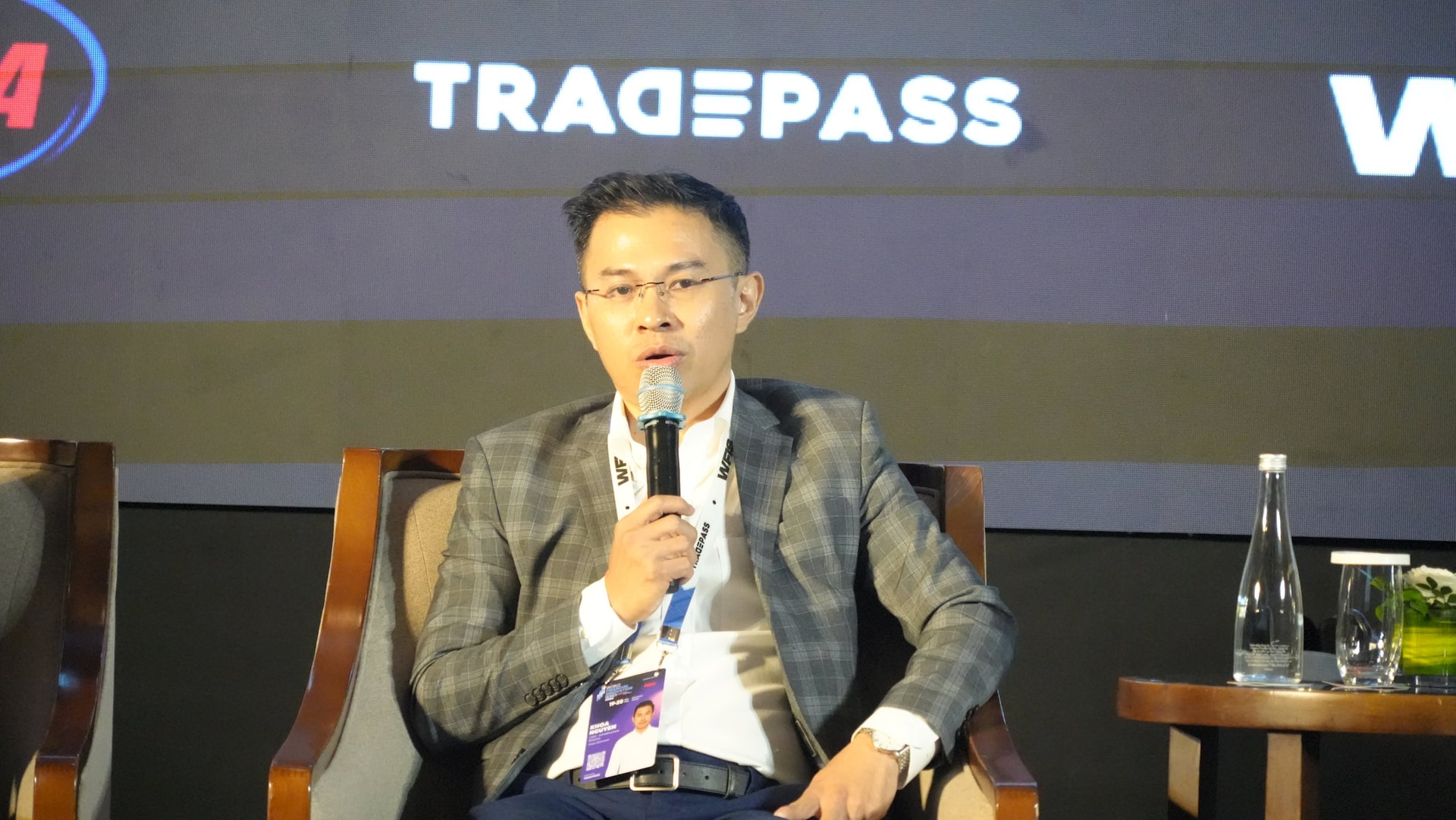
Mr. Nguyen Khoa, Chief Information Security Officer (CISO) and Infrastructure Director of Timo Vietnam
From the perspective of a digital-only bank, Mr. Nguyen Khoa, Chief Information Security Officer (CISO) and Infrastructure Director of Timo Vietnam, observed that while most institutions are equipped with monitoring tools, the fatal flaw during a real crisis often lies in decision-making paralysis and poor cross-departmental coordination. To mitigate this, Mr. Nguyen Khoa proposed that credit institutions shift from passive defense to multi-layered, active protection:
"The most critical aspect is to build ready-made response scenarios, backup systems, and data recovery plans; furthermore, these must be regularly pressure-tested through real-world simulations rather than just living on paper."
He also raised red flags concerning insider threats stemming from unauthorized data sharing or a lack of security hygiene, which demands the tightening of granular access controls.
Vietnam – An attractive destination for financial innovation

Mr. Gijesh Menon, Chief Sales and Product Officer at TradePass
Sharing insights on the sidelines of the event, Mr. Gijesh Menon, Chief Sales and Product Officer at TradePass, expressed his deep impression of the rapid pace of digital adoption in Vietnam. In his view, digital transformation is no longer optional but a baseline requirement for survival, and the maturity of AI will only supercharge this wave of innovation. He concluded:
"What makes Vietnam particularly compelling is that banks are investing heavily in digital transformation and driving financial inclusion. This is exactly why WFIS in Vietnam continues to expand its scale and will grow even stronger in the future."
The WFIS 2026 Forum concluded with a strong consensus among regulators, financial institutions, and technology providers: the convergence of digital technologies, AI, and cloud computing presents unprecedented opportunities for the Vietnamese banking sector to transition into smart banking entities. Nevertheless, to successfully capture these opportunities and ensure sustainable growth, elevating risk management capabilities, protecting customer data privacy, and building agile, resilient cyber defense systems remain the absolute prerequisites for the industry to anchor its position in the regional digital financial value chain.
VNBA News