
The working session was co-chaired by leaders of both associations, with the attendance of representative of the Department of Judicial Support – Ministry of Justice and numerous delegates, legal experts, and senior representatives from major commercial banks:
Representing the Vietnam Banks Association (VNBA): Dr. Dao Minh Tu – Vice Chairman cum Secretary General of VNBA; Ms. Nguyen Thi Phuong – Chairwoman of the VNBA Banking Legal Club; along with representatives from the Legal and Professional Department and legal executives from major commercial banks including Agribank, Vietcombank, and Techcombank.

Dr. Dao Minh Tu – Vice Chairman cum Secretary General of VNBA
Representing the Vietnam Notary Association (VNA): Ms. Nguyen Thi Tho – Chairwoman of VNA, alongside members of the Standing Committee and legal experts from the Association.

Ms. Nguyen Thi Tho – Chairwoman of VNA
The working session was organized to assess the current status, identify legal bottlenecks, and evaluate potential exposure arising from the drafting committee's proposal to eliminate mandatory notarization requirements for certain real estate transactions in the Draft Land Law (amended). On this basis, both sides aimed to align professional perspectives, strengthen inter-industry operational coordination, and submit high-quality feedback to competent state authorities to balance administrative reform objectives with financial-banking system safety.
Opening the discussion, Ms. Nguyen Thi Tho – Chairwoman of VNA, outlined the proposed changes in the Draft Land Law (amended) concerning the reduction of mandatory notarization for specific real estate transactions. VNA leadership emphasized that while simplifying administrative procedures is necessary, notarization serves as an indispensable first-line legal safeguard to prevent disputes. VNA expressed its commitment to closer coordination with VNBA to refine operational workflows, simultaneously enhancing convenience for citizens and ensuring security for banking and financial transactions.
Furthermore, VNA representatives clearly delineated the fundamental distinction between "authentication" and "notarization":
-
Authentication: Primarily verifies the existence of information or documents based on pre-existing files.
-
Notarization: Encompasses a significantly broader and more rigorous scope, including verifying the legality of the transaction, validating genuine mutual consent, and assessing the civil capacity of the participating parties.
Delegates from credit institutions and the VNBA Banking Legal Club unanimously agreed that notarization represents a critical risk control layer in the credit granting process secured by real estate.
-
Ms. Nguyen Thi Phuong – Chairwoman of the VNBA Banking Legal Club: Reaffirmed that the national Land Database cannot fully replace the role of notarization. While the database assists in verifying static identity information and legal status of assets, notarization evaluates transaction legality, civil capacity, and genuine intent—the decisive legal elements governing contract validity.
-
Representatives from Agribank and Vietcombank: Highlighted that real estate-backed credit accounts for a dominant share of total outstanding loans across the banking system. Given that the national Land Database is not yet fully synchronized and suffers from update lag, removing mandatory notarization would shift legal risk directly onto banks and citizens. The current priority should focus on streamlining, optimizing, and shortening notarization procedures rather than eliminating them.
-
Representative from Techcombank: Emphasized that if the role of notarization is reduced, clear statutory frameworks must define which alternative entities will perform legal due diligence and assume corresponding legal liability and compensation mechanisms when disputes or fraudulent transactions occur.
Delivering the speech, Dr. Dao Minh Tu – Vice Chairman cum Secretary General of VNBA, stressed that regulations governing notarization in land-use right transactions have a broad scope of impact, directly affecting citizens, enterprises, the real estate market, and the safety of the entire credit institution system.
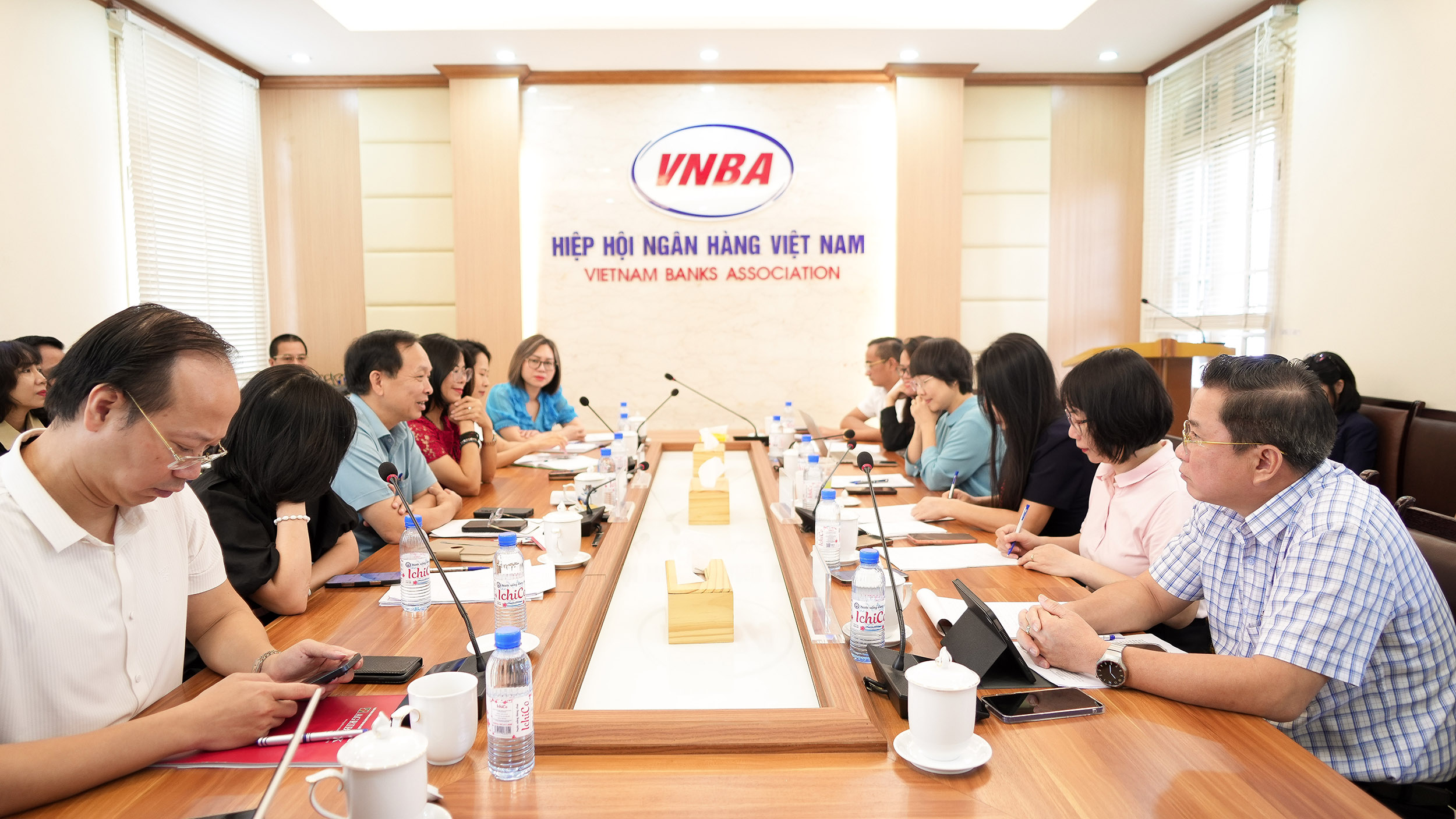
Dr. Dao Minh Tu noted that alongside administrative reform targets, competent authorities must rigorously evaluate legal safety, protect the legitimate rights of all parties, and ensure dispute prevention for the economy. The Secretary General urged both associations to maintain close collaboration, consolidate objective practical insights from banking operations and notary practices, and contribute high-quality advisory feedback to the drafting committee of the Land Law (amended).
From the combined perspective of financial-banking law and policy communication, this joint session communicates several strategic insights: Defining the boundary between data technology and human legal verification: Affirming that "the Land Database cannot replace notarization" helps reshape legislative thinking. Digital databases address static information (ownership, area, planning), whereas notarization addresses dynamic transaction elements (capacity, voluntary consent, absence of duress). Eliminating notarization before the database is fully integrated creates a significant risk vacuum for the banking sector; Protecting credit quality and mitigating non-performing loans (NPLs) from legal risks: Real estate serves as the primary collateral class across Vietnam's banking system. If mortgage contracts or underlying transfer transactions are declared null and void due to the absence of notarization, credit institutions face severe capital loss risks and asset recovery impasses, ultimately driving up structural NPLs; Amplifying policy advocacy through institutional consensus: The joint alignment between service providers (VNA) and service beneficiaries/safety recipients (VNBA) establishes a robust practical foundation. This collective voice provides drafting bodies with a comprehensive perspective on balancing transaction speed with systemic risk management.
VNBA News